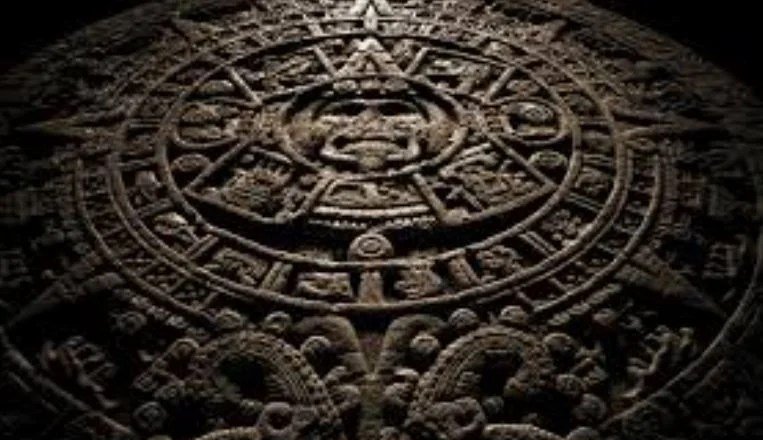
Imagine a world without signs, flags, or even the simple emoji. How would we navigate, celebrate, mourn, or even express a quick thought? From the dawn of humanity, Cultural & Historical Symbol Meanings have served as humanity’s silent language, telling stories of power, faith, identity, and progress. These visual representations are more than just pretty pictures; they are condensed wisdom, encapsulating evolving meanings based on context and era, and offering profound insights into the beliefs, social norms, and enduring narratives of societies across time. Understanding them isn't just an academic exercise; it's a key to connecting with diverse cultures and unlocking the very essence of human experience.
At a Glance: Decoding the Universal Language of Symbols
- Ancient Roots: Symbols simplified complex ideas for early humans and represented gods and nature for ancient civilizations.
- Religious Pillars: Profound symbols like the Christian Cross, Hindu Om, and Buddhist Wheel of Dharma encapsulate core spiritual beliefs.
- National Identity: Flags are potent symbols of a nation's history, values, and unity.
- Movements & Ideologies: Symbols give voice to political beliefs, social movements, and environmental causes.
- Brand Storytelling: Corporate logos distill complex brand identities into memorable visual cues.
- Art & Literature: Symbols add layers of depth, encouraging deeper interpretation of stories and visuals.
- Personal Expression: Tattoos, jewelry, and clothing are powerful symbols of individual and group identity.
- Digital Age: Emojis and internet iconography have become a global, evolving symbolic language.
- Intercultural Sensitivity: Understanding context is crucial; a symbol's meaning can change dramatically across cultures and eras.
The Silent Language of Humanity: Why Symbols Speak Volumes
For millennia, humans have relied on symbols to simplify complex ideas, communicate across barriers, and imprint meaning onto the world around them. Symbolism isn't merely decorative; it’s a fundamental cognitive tool that allows us to process information quickly, identify with groups, and understand abstract concepts like victory, life, or power without uttering a single word. These visual shorthand cues offer a window into what societies valued, feared, and aspired to, bridging the gap between generations and cultures. They foster connection, define communities, and empower us to share stories that transcend time and language.
Echoes from Antiquity: Where Symbolism Began
The journey of symbolism began thousands of years ago, long before written language, as early humans used symbols to simplify complex ideas, record events, and express their worldview. This foundational use laid the groundwork for ancient civilizations, which adopted and elaborated upon these symbolic traditions, embedding them deeply into their art, religion, and daily lives.
Ancient Egyptian Hieroglyphs: Picturing Beliefs and History
Few civilizations used symbols as extensively and elegantly as the Ancient Egyptians. Their hieroglyphs were a sophisticated mix of pictures and sounds found etched on pyramids, tombs, and papyri, serving not just as a writing system but as a rich tapestry of symbolic meaning.
Consider the Ankh, the looped cross symbol. Far from just a pretty design, it represented "life" itself, often depicted in the hands of gods bestowing it upon pharaohs. The humble scarab beetle, a creature that pushes balls of dung representing the sun, symbolized rebirth, regeneration, and protection, frequently used in amulets and jewelry. These symbols were integral to religious beliefs and even served to record historical events, offering an unparalleled glimpse into their spiritual and temporal existence.
Greek Mythology's Visual Vocabulary: Power, Wisdom, and Fate
In the realm of Greek mythology, symbols were the very essence of the gods and their narratives, vividly depicted in art and literature that shaped Western thought. Zeus, the king of the gods, was inextricably linked with the lightning bolt, a potent emblem of his immense power and authority over the heavens. His daughter, Athena, goddess of wisdom and strategic warfare, found her symbol in the discerning owl, representing sagacity and keen observation. These powerful images were more than just identifiers; they communicated the fundamental traits and roles of the deities, making them relatable and memorable to the masses.
Roman Empire's Emblems of Dominance: Unity and Propaganda
The Roman Empire, a sprawling entity built on conquest and organization, masterfully wielded symbols to reinforce its dominance and foster a sense of shared identity across its vast territories. The majestic eagle, often depicted on military standards known as aquilae, was the paramount symbol of the Roman legions' power, valor, and the very might of the empire itself. Another pervasive emblem was the laurel wreath, a simple yet powerful symbol of victory, honor, and achievement, adorning the heads of emperors and generals, and etched into coins and public buildings. These symbols were not just decorative; they were instruments of propaganda, constantly reminding citizens and subjugated peoples alike of Rome's unwavering authority and glorious triumphs.
Sacred Threads: Religious Symbolism Across Civilizations
Religious symbols carry profound significance, transcending mere imagery to embody core beliefs, values, and spiritual truths that bind communities and inspire millions. They are focal points of devotion, tools for teaching, and enduring markers of identity.
The Christian Cross: Sacrifice, Faith, and Hope
Perhaps the most recognized religious symbol globally, the Christian Cross represents Jesus Christ's crucifixion, his ultimate sacrifice for humanity, and the promise of redemption. More than just an execution device, it has evolved to symbolize faith, hope, and the core tenets of Christianity. You see it everywhere – adorning church architecture, inspiring masterpieces of art, and worn as jewelry, a constant reminder of spiritual commitment.
The Crescent Moon and Star: Guidance and Divine Light in Islam
Associated predominantly with Islam, the Crescent Moon and Star symbol has roots in various ancient cultures but became widely adopted in the Islamic world. It often symbolizes the lunar calendar, which determines Islamic holidays, and represents guidance and divine light, alluding to the journey of faith and the Five Pillars of Islam. Its elegance and widespread recognition make it a potent emblem of Muslim identity and spiritual aspiration.
Hinduism's Rich Tapestry: Om, Swastika, Lotus, and Trishula
Hinduism, with its profound spiritual depth, offers a rich array of symbols, each laden with intricate meaning:
- Om (or Aum): More than a sound, Om is considered the sacred vibrational essence of the universe, signifying interconnectedness, creation, preservation, and dissolution. It’s a powerful meditative chant and a visual representation of cosmic truth.
- The Swastika: Originating from Sanskrit, "Swastika" means "well-being" or "good fortune." In Hinduism and Buddhism, it's an ancient and sacred symbol of prosperity, luck, and auspiciousness. It's crucial to distinguish this millennia-old symbol from its horrifying misuse by the Nazi regime, which inverted its meaning and transformed it into an emblem of hatred.
- The Lotus: Emerging pure and beautiful from muddy waters, the Lotus flower symbolizes purity, spiritual enlightenment, beauty, and rebirth. It’s a powerful metaphor for spiritual awakening and overcoming adversity.
- The Trishula: This trident, often associated with the god Shiva, represents power, the three gunas (qualities of nature), and the three aspects of consciousness. It’s a tool for destroying ignorance and delusion.
Buddhism's Path to Enlightenment: The Wheel of Dharma
In Buddhism, the Wheel of Dharma (Dharmachakra) is one of the oldest and most universal symbols. Its eight spokes represent the Noble Eightfold Path—the path to liberation from suffering, taught by the Buddha. The wheel itself signifies the Buddha’s teachings, their continuous cycle, and the cycle of birth and rebirth (samsara). It is a powerful reminder of the journey towards enlightenment and the universal nature of the Dharma.
Unfurling National Identity: Flags and Political Emblems
National flags are arguably some of the most visible and emotionally charged symbols in the world, embodying a country's history, culture, and core values in a single, potent image. But symbols go beyond national banners, giving voice to political ideologies and social movements, rallying people around shared beliefs and goals.
National Flags: Woven Stories of States
Every national flag tells a unique story, often steeped in history and sacrifice.
- The U.S. Stars and Stripes: A symbol of American liberty and democracy, its 13 stripes represent the original colonies, while 50 stars signify the current number of states. The colors are equally symbolic: red for valor and hardiness, white for purity and innocence, and blue for vigilance, perseverance, and justice. Adopted in 1777, its reverence is celebrated annually on Flag Day, June 14th.
- The U.K.'s Union Jack: This flag, adopted in 1801, is a masterful unification of three distinct crosses, each representing a patron saint and nation: England’s St. George’s Cross (red on white), Scotland’s St. Andrew’s Cross (white saltire on blue), and Ireland’s St. Patrick’s Cross (red saltire on white). It symbolizes the enduring union of these constituent countries.
- Japan’s Nisshoki (Hinomaru): Often called the "Rising Sun" flag, its stark beauty features a central red sun disc on a pure white background. Officially adopted in 1999, though with ancient roots, the red sun symbolizes energy, sincerity, and the sun goddess Amaterasu, while the white represents purity and honesty.
- The Canadian Flag: Instantly recognizable by its bold red and white with a central maple leaf, this flag, adopted in 1965, symbolizes unity, peace, and the nation's natural environment. The maple leaf itself is an enduring emblem of Canada.
Symbols of Movements and Ideologies: Shaping Change
Beyond national identity, symbols communicate the values and aspirations of movements and ideologies that seek to reshape societies.
- The Universal Peace Sign: Introduced in 1958 by Gerald Holtom for the British nuclear disarmament movement, this iconic symbol combines the semaphore signals for 'N' (nuclear) and 'D' (disarmament). It quickly transcended its original context to become a globally recognized emblem of peace and anti-war sentiment.
- The Venus Symbol (♀): Rooted in Roman mythology, where it represented the goddess Venus, this symbol is today widely associated with feminism and the ongoing fight for gender equality. It's a powerful identifier for womanhood and collective action.
- The Recycling Emblem: Those three chasing arrows, forming a Mobius strip, were introduced in the 1970s during the first Earth Day. This symbol universally represents "reduce, reuse, recycle," serving as a constant reminder and call to action for environmental sustainability.
- The Hammer and Sickle: A potent political symbol associated with communism, representing the industrial workers (hammer) and the agricultural workers (sickle), united in solidarity. It reflects the ideological belief in the proletariat's power and a classless society.
Beyond the Logo: The Art of Corporate Symbolism
In the competitive world of commerce, corporate logos are far more than just pretty pictures; they are vital symbols for brand identity, instantly communicating values, aspirations, and product promises. They are designed to be memorable, evoke emotion, and build loyalty, distilling an entire brand narrative into a single, compelling image.
- Apple's Bitten Apple: From its initial, complex design in 1976, the Apple logo evolved into the sleek, recognizable bitten apple. This iconic symbol signifies technology, innovation, simplicity, and knowledge, often evoking the "forbidden fruit" of knowledge from the biblical story, hinting at pushing boundaries and discovery.
- Nike’s Swoosh: Created in 1971 by Carolyn Davidson for a mere $35, the Nike Swoosh is one of the most dynamic and enduring logos in history. It symbolizes movement, speed, athleticism, and victory, famously derived from the wing of the Greek goddess Nike, the goddess of triumph. It’s an instant visual cue for aspiration and performance.
- McDonald’s Golden Arches: Formed in the 1960s, these distinctive "M" shaped arches are instantly synonymous with McDonald's. They represent community, familiarity, and convenience, with the yellow color often associated with happiness and the underlying red (in the broader branding) suggesting urgency and appetite. The arches have become a global landmark.
These corporate symbols demonstrate how carefully chosen visuals can encapsulate an entire brand's philosophy and create a lasting connection with consumers.
The Hidden Layers: Symbols in Literature and Art
Beyond their tangible presence in daily life, symbols enrich our understanding of literature and art, adding layers of depth and encouraging deeper interpretation. They are the scaffolding upon which complex meanings are built, inviting us to look beyond the surface.
Metaphors, Similes, and Archetypes: Universal Storytelling Tools
In literature, symbols often manifest through literary devices like metaphors and similes. Calling someone a "lion" (a metaphor) immediately implies bravery, strength, and nobility, without needing a lengthy description. A "storm" in a story might symbolize inner turmoil or impending conflict. These embedded meanings encourage readers to engage more deeply with the text, connecting abstract ideas to concrete images.
Furthermore, archetypes are universally recognized patterns of characters, symbols, or situations that transcend cultures and eras. Think of the "hero" (e.g., Harry Potter on his journey), the "mentor" (like Dumbledore guiding Harry), or the "wise old man." These archetypal symbols resonate deeply because they tap into shared human experiences and collective unconscious patterns, making stories feel familiar and profoundly impactful, no matter where or when they're read.
Color Symbolism: Painting Emotions and Meanings
In visual art, color is one of the most potent symbolic tools, conveying emotions, moods, and abstract concepts without words. For instance, Vincent Van Gogh famously used blue to evoke calmness, melancholy, or a sense of infinity, while his vibrant yellows often burst with energy, joy, or even madness. In different contexts, red can symbolize love, passion, anger, or danger; green can represent nature, growth, envy, or illness; and black might mean mourning, power, mystery, or sophistication. Artists masterfully use these symbolic associations to manipulate perception and deepen the emotional resonance of their works.
Your Story, Your Symbols: Personal and Cultural Expression
Symbols are not just for nations, religions, or corporations; they are intimately woven into the fabric of our personal and cultural identities. The objects, images, or even gestures we choose to display often speak volumes about who we are, where we come from, and what we believe.
The Power of Personal Adornment: Tattoos, Jewelry, and Clothing
From intricate tattoos that commemorate life events, beliefs, or loved ones, to the choice of jewelry—a family heirloom, a religious pendant, or a friendship bracelet—these are deeply personal symbols. The way we dress, our clothing choices, can also be a powerful form of symbolic expression, indicating affiliation with a subculture, adherence to a traditional belief, or simply a declaration of individual style. These personal symbols help us articulate our inner world to the outer world, fostering a sense of belonging and self-definition. Want to explore how to imbue items with meaning? You can even begin to Create Your Own Symbols to define your unique narrative.
Cultural Variations: The Shifting Sands of Meaning
It’s crucial to remember that the meanings of symbols are not universal; they can vary significantly across cultures, sometimes even within the same society. The classic example is the color white. In many Western cultures, white symbolizes purity, innocence, and new beginnings, making it the traditional color for wedding dresses. However, in parts of the East, particularly in some Asian cultures, white is the color of mourning, associated with funerals and sorrow.
Understanding these nuances is vital for fostering community ties and enabling effective intercultural communication. Misinterpreting a symbol can lead to unintended offense or a breakdown in understanding, highlighting the importance of cultural sensitivity and awareness in our interconnected world.
The Modern Lexicon: Symbols in the Digital Age
In an era dominated by screens and instant communication, symbols have found a new and dynamic playground: the digital realm. Here, traditional symbolic forms merge with entirely new creations, forming a rapidly evolving language that transcends geographical and linguistic boundaries.
Emojis: Expressing Emotions and Ideas with Pixels
The humble emoji, developed by Japanese designer Shigetaka Kurita in 1999 (with the first 176 emojis), has become a ubiquitous form of digital communication. These small icons are incredibly powerful because they can convey a vast range of emotions, ideas, and even complex statements across language barriers. A simple thumbs-up 👍, a smiling face with tears of joy 😂, or a heart ❤️ are instantly understood by billions, adding nuance, tone, and personality to otherwise flat text messages and social media posts. They are a testament to the enduring human need for visual communication.
Internet Iconography: Global Brands and Viral Memes
Beyond emojis, the digital landscape is saturated with other forms of symbolism. The logos of global corporations (think the Google "G," the Facebook "f," or the Twitter bird) are instantly recognizable symbols that define online experiences. App icons on our smartphones are miniature symbols that represent entire functionalities and platforms.
And then there are memes: images, videos, or pieces of text, often humorous, that spread rapidly online, typically with slight variations. Memes are arguably the newest and most dynamic cultural symbols of our time. They can encapsulate complex social commentary, shared experiences, or inside jokes, and their power to disseminate cultural meaning is so significant that some, like Pepe the Frog (despite its complex journey), have even been recognized and collected by institutions like the Museum of Modern Art, marking their undeniable place in contemporary cultural symbolism.
Bridging Divides: Navigating the Complexities of Symbol Interpretation
The journey through the world of symbols reveals their profound power, but also highlights the critical importance of careful interpretation. A symbol is never static; its meaning is a fluid entity, shaped by historical context, cultural perspective, and individual experience. Navigating these complexities is essential to avoid misinterpretation, respect diverse perspectives, and promote genuine intercultural understanding.
The Double-Edged Sword of Meaning: The Swastika's Story
No symbol better illustrates the challenge of interpretation than the Swastika. As discussed earlier, for thousands of years in Hinduism, Buddhism, and various other ancient cultures across Eurasia, the Swastika was a revered symbol of good fortune, prosperity, and auspiciousness. It represented peace and well-being.
However, its horrific misuse by the Nazi regime in the 20th century utterly warped its meaning in the Western world. When adopted and inverted by the Nazis, it became an emblem of hate, genocide, and white supremacy. Today, seeing the Swastika in Western contexts immediately conjures images of fascism and atrocity. This stark contrast underscores a vital lesson: context is everything. What is sacred in one culture can be deeply offensive or carry vastly different connotations in another, particularly due to historical trauma.
The Path to Understanding: Sensitivity and Awareness
Therefore, approaching cultural symbols with sensitivity and awareness is not just polite; it's a necessity. It requires:
- Contextual Inquiry: Always seek to understand the historical, religious, and social context in which a symbol originated and evolved.
- Open-mindedness: Be prepared for meanings to differ vastly from your own cultural lens. Avoid projecting your assumptions onto others' symbols.
- Respectful Engagement: When encountering unfamiliar symbols, approach them with curiosity and respect, rather than judgment or immediate labeling.
- Continuous Learning: The world of symbols is vast and ever-changing. Embrace lifelong learning to deepen your appreciation for cultural diversity.
By diligently practicing these principles, you can transform potential misunderstandings into opportunities for genuine connection and a richer appreciation of humanity’s shared, yet wonderfully varied, expressive heritage.
Crafting Your Own Narratives with Symbols
The journey through cultural and historical symbol meanings is a reminder of humanity's innate drive to imbue the world with significance. From the earliest cave paintings to today's viral memes, symbols serve as powerful anchors for our beliefs, our history, and our identity. They are the enduring threads that weave societies together, transcending language and time.
As you navigate a world rich with symbolic expression, take a moment to look deeper. Recognize the stories embedded in a flag, the beliefs represented by a religious emblem, or the aspirations captured in a logo. Understanding these symbols empowers you not just to interpret the past, but to better comprehend the present, fostering empathy and connection across cultural divides. Embrace this silent language, and you'll find yourself fluent in the enduring narratives that shape us all.